The 60-Day Pantry Challenge: Eat What You Have, Spend Less, Waste Nothing
Are you bored eating the same five meals on rotation? Does your pantry feel like a graveyard of half-used pasta boxes, random cans of beans, and that jar of capers you bought for one recipe in 2022? If you nodded at either of those, I have a challenge for you: eat what you already have for the next 60 days.
I’m calling it the 60-Day Pantry Challenge, and it’s exactly what it sounds like. For two months, you cook mostly from what’s already in your pantry, refrigerator, and freezer. You only buy one or two “completer” ingredients per week to round out a recipe. That’s it. No big weekly grocery hauls, no stocking up because something is on sale, no “I might need this” purchases.
The goal is simple: eat down what you own, spend way less at the grocery store, waste almost nothing, and reset your kitchen so you actually know what you have. I’ve watched this challenge save my clients in Littleton hundreds of dollars and clear out shelves they hadn’t been able to see the back of in years.
Step 1: Take a Real Inventory
Before you cook a single thing, you need to know what you’re working with. And when I say pantry, I’m including your refrigerator and your freezer too. The freezer is where mystery lives. We’ve all pulled out a foil-wrapped something and had no idea whether it was chili from last fall or beef stew from two Christmases ago.
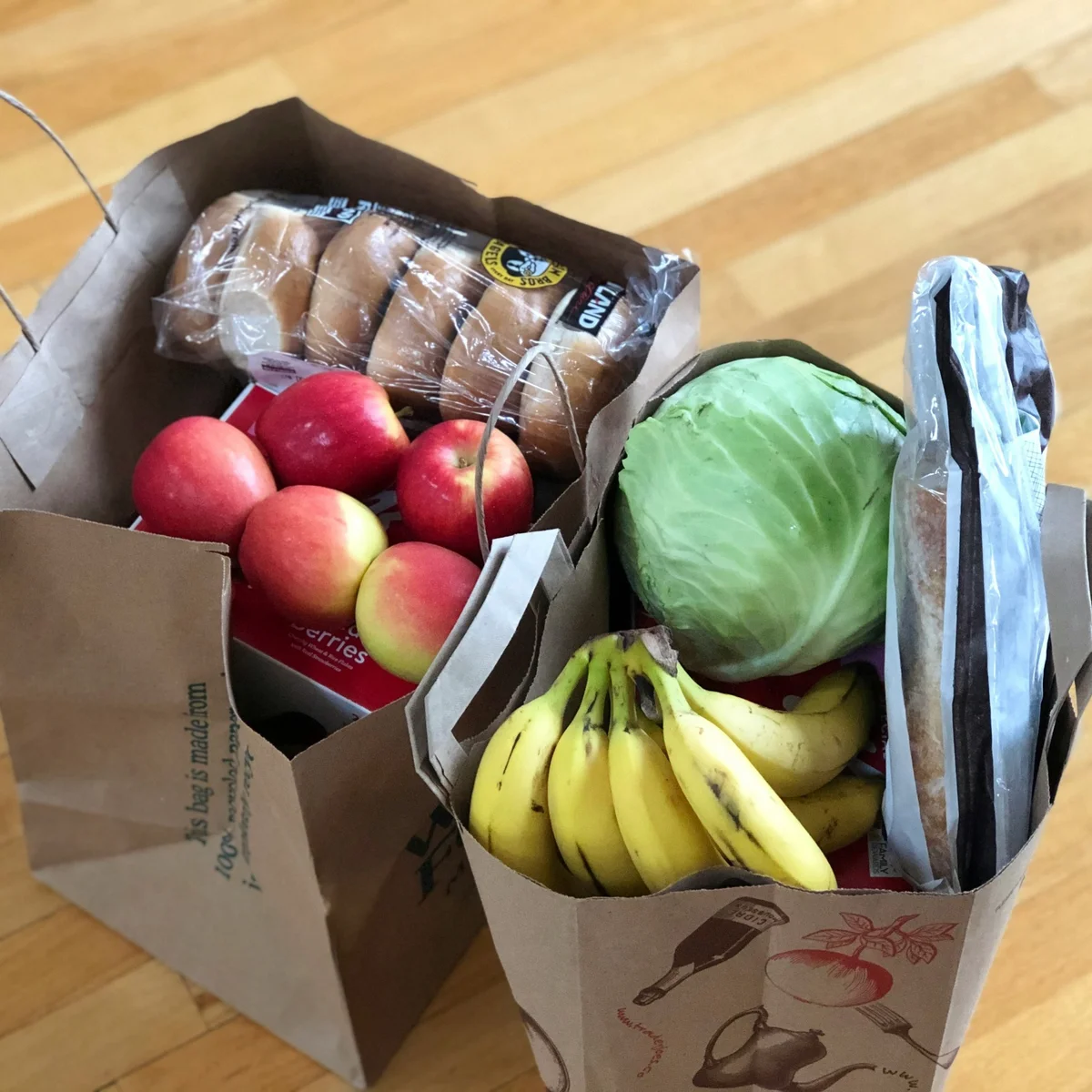
Grab a notepad or open the notes app on your phone and write down:
- Everything in your pantry (canned goods, pasta, rice, grains, baking supplies, snacks, spices).
- Everything in your refrigerator (produce, dairy, condiments, leftovers).
- Everything in your freezer (proteins, frozen veggies, bread, that mystery container).
Pro tip: Toss anything expired as you go. If you haven’t opened the jarred artichokes you bought in 2021, they aren’t earning their shelf space. This is also a good time to apply the questions from my post on how to make decluttering decisions to food items. Yes, food counts as clutter when it’s taking up space you need.
Step 2: Get Creative (or Let AI Do the Thinking)
Here’s where the challenge gets fun. Once you have your inventory, you have two options.
Option one: get creative on your own. Look at your ingredients and start combining. Chickpeas, canned tomatoes, and a little pasta? That’s dinner. Frozen chicken breast, rice, and that half jar of salsa? Dinner again.
Option two, and this is the game changer for some people: plug your ingredients into ChatGPT, Gemini, or any AI tool and ask for meal suggestions. Type something like, “I have ground turkey, canned black beans, frozen corn, rice, and taco seasoning. Give me three dinner ideas.” You’ll get recipes in seconds. There are also apps like SuperCook and MyFridgeFood that do the same thing specifically for recipe matching based on what you have on hand.
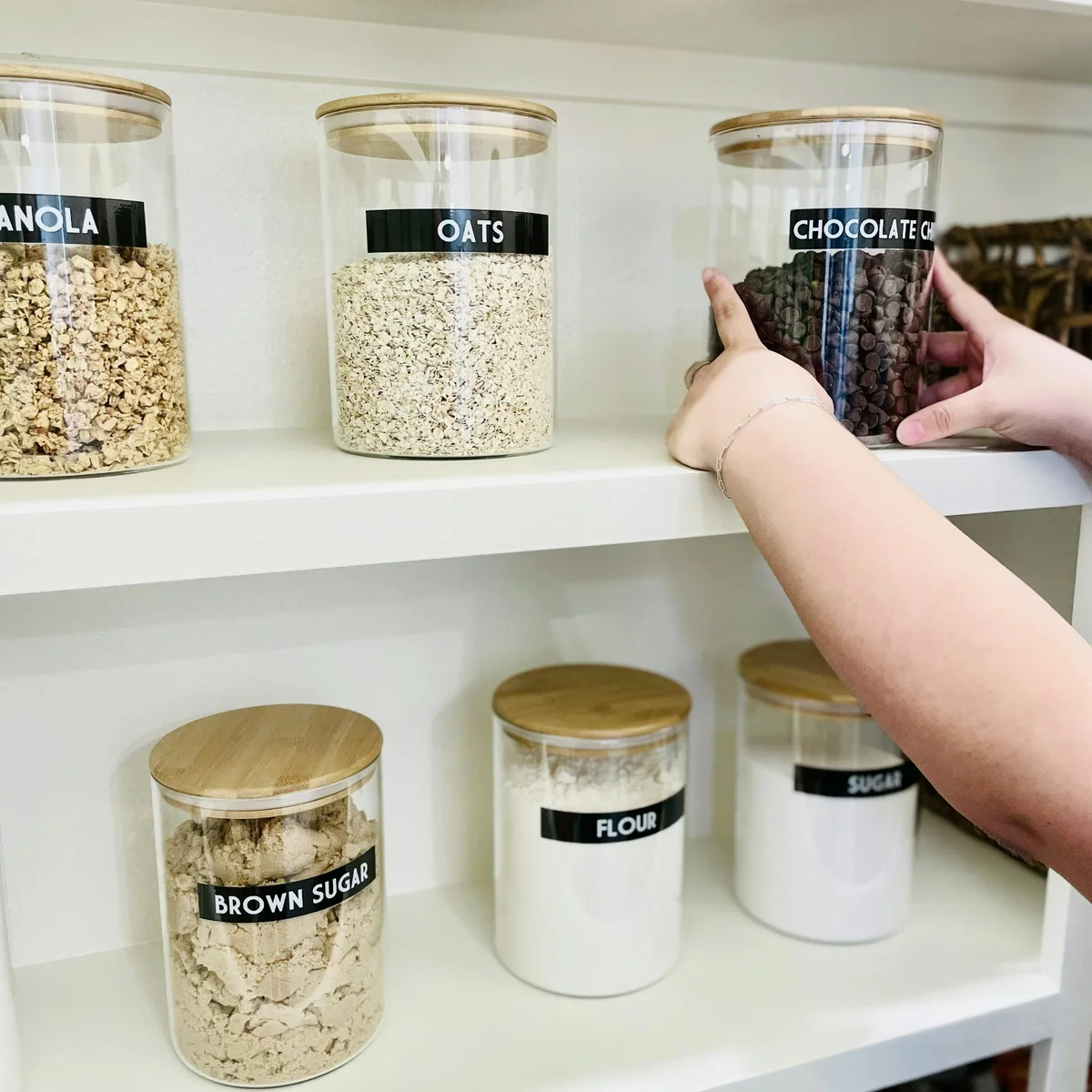
I’ve been using AI more in general lately, and I wrote about it in my post on getting digitally organized. It’s turned out to be surprisingly useful for the kitchen too.
Step 3: Shop for One or Two Ingredients a Week, Max
This is the rule that makes the whole thing work. Each week, you can buy ONE or two ingredients to complete a recipe. Maybe you have everything for a stir fry except fresh ginger. Buy the ginger. Done.
You’ll still buy your weekly fresh basics (milk, eggs, bread, produce you actually eat) because this isn’t a starvation challenge, lol. But no stocking up. No “ooh, that’s on sale.” No wandering the aisles. You go in with a list of one or two things and you leave.
My favorite trick: Keep a running “need to complete a recipe” note on your phone. When you plan the week’s meals, you add the one missing ingredient. That’s your list.
Step 4: Rotate, Reorganize, and Actually See Your Food
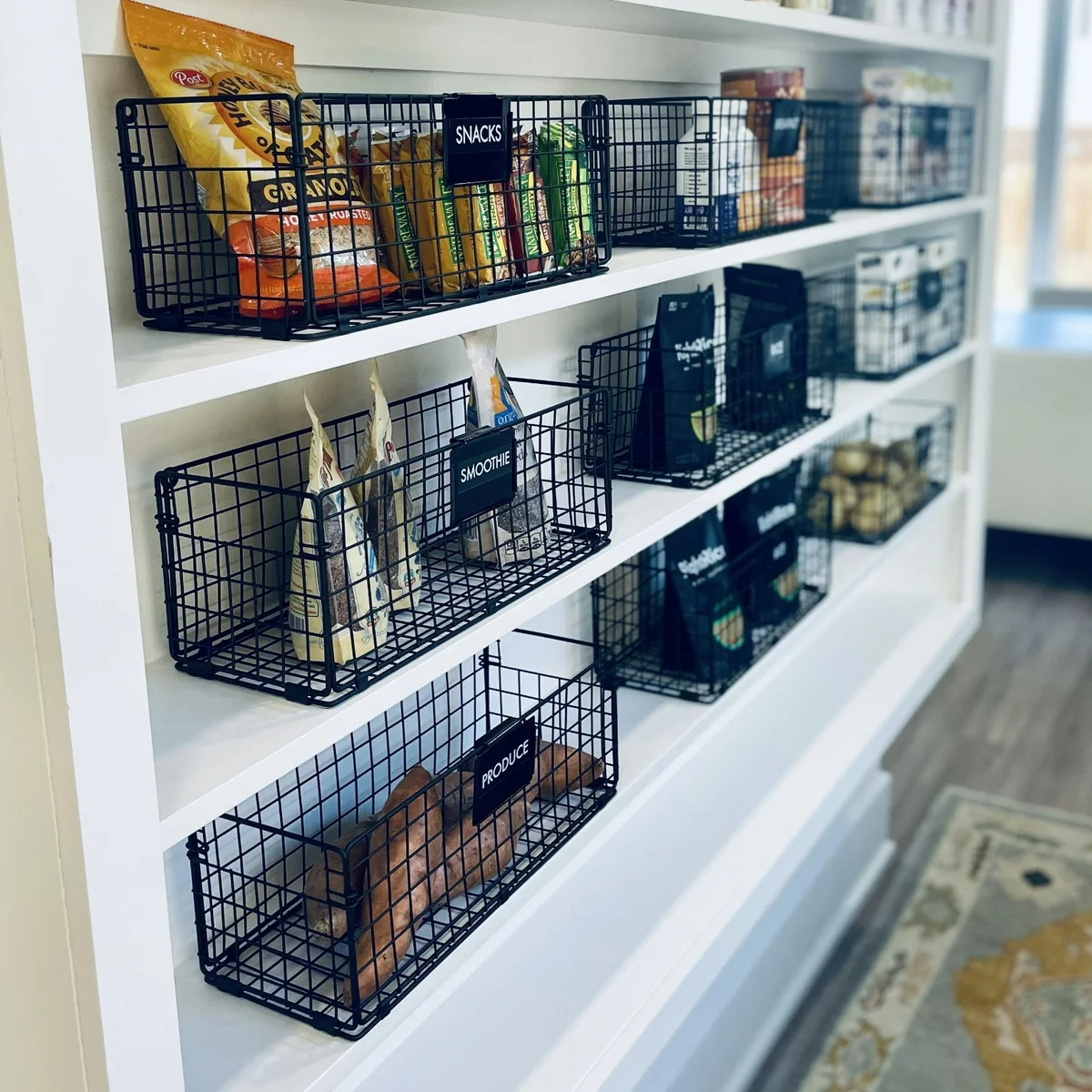
As you eat things down, pull everything forward. Put the oldest items in the front so they get used first. If you discover you own 20+ cans of diced tomatoes, that’s a signal to stop buying diced tomatoes for a while.
By week three or four, you’ll start to see actual shelf space again. This is the perfect moment to reorganize the kitchen for real. If you want a deeper reset, my step-by-step kitchen organizing guide walks through the whole process, including pantry zones and container choices.
Step 5: Notice What You Learn
Sixty days is long enough to break habits. By the end, most people realize a few things:
- They were buying way more food than they could eat.
- They had favorite ingredients they kept rebuying when they already owned three of.
- They actually enjoy cooking more when they’re not overwhelmed by choice.
- Their grocery bill dropped significantly, often by 30 to 50 percent for those weeks.
This is the same mindset shift I talk about in my post on clutter, happiness, and consumerism. We buy more than we need, in every category, and the pantry is just one more place it shows up.
Ready to Reset Your Pantry?
What do you really have to lose by trying this? Worst case, you eat some weird meals and clear out your shelves. Best case, you save hundreds of dollars, waste almost no food, and finally see the back of your pantry.
If your pantry (or any part of your kitchen) feels so overwhelming that you don’t even know where to start, I can help. As a professional organizer serving Littleton and the Denver area, I love helping busy families and downsizers create kitchen systems that actually work for their real lives. Contact me today to schedule a consultation, and in the meantime, tell me: what’s on the menu tonight?