Clutter or Something More? 6 Signs You May Need a Therapist in Addition to a Professional Organizer
If you’ve ever stood in the middle of a room full of belongings and felt frozen, overwhelmed, or close to tears, please hear this first: you are not failing, and far more people struggle with this than you’d ever guess. I’ve sat with many clients in Littleton who told me they’d been avoiding a certain room, a certain closet, or a certain pile for years. Shame is heavy, and it almost always makes the clutter feel bigger than it really is.
As a professional organizer in Littleton, Colorado I’ve learned that our physical environment often reflects what’s going on inside us. Most of the time, a solid plan, a patient helper, and some new systems make a real difference. But sometimes what’s standing in the way of a calmer home isn’t a lack of bins or shelving. Sometimes it’s grief, trauma, anxiety, ADHD, or something heavier that deserves its own kind of care.
Quick disclaimer before we go further: I am not a therapist or psychologist, and nothing in this post is a diagnosis. What I can share, are the patterns I have learned to look for when clutter has become something more. Below are six signs it may be time to add a therapist to your support team, right alongside your organizer.
1. You Cannot Let Go of a Single Item
You know you need to declutter or downsize. Maybe you’re moving, blending households, or helping a parent transition. But when it comes time to decide, you (or your loved one) simply cannot part with anything. Not the broken lamp. Not the stack of 1990s magazines. Not the sweater that hasn’t fit in 20 years.
What I notice: A little hesitation is normal. But if letting go of a single item brings panic, physical symptoms like a racing heart, or hours of distress, your feelings are telling you something important. A therapist can help you work through those emotions at a pace that feels safe.

2. Major Life Trauma Has Happened and Nothing Gets Purged
Grief, divorce, the death of a parent, a serious diagnosis, job loss, military deployment. These events can turn ordinary belongings into something much bigger than “stuff.” I see this often with clients organizing after a loss. The sweater in the closet isn’t a sweater anymore. It’s Dad.
If, after a major life event, items keep flowing in but nothing ever leaves, that’s a sign the belongings are carrying emotional weight that an organizer alone isn’t equipped to help with. A grief counselor or trauma therapist, working alongside me, can be a game changer because the organizing finally stops feeling like a betrayal and starts feeling like healing.
3. The Home Is No Longer Safe
This is the one I will always speak up about. If you can’t safely walk through a room, use the stairs, cook in the kitchen, bathe in the bathroom, or sleep in the bed, we have crossed from clutter into a safety issue. Blocked exits, fire hazards, pest issues, and fall risks are serious, and they matter more than any organizing timeline.
Please know: I’m not here to judge. Many of my clients in Littleton have lived with this longer than they ever expected to. I’m here to say that safety comes first, and that often means I work in tandem with a licensed professional counselor, social worker, therapist, or even the person’s physician, so the emotional support and the organizing work are happening side by side.
4. Items Are Piled Up to the Ceiling on Purpose
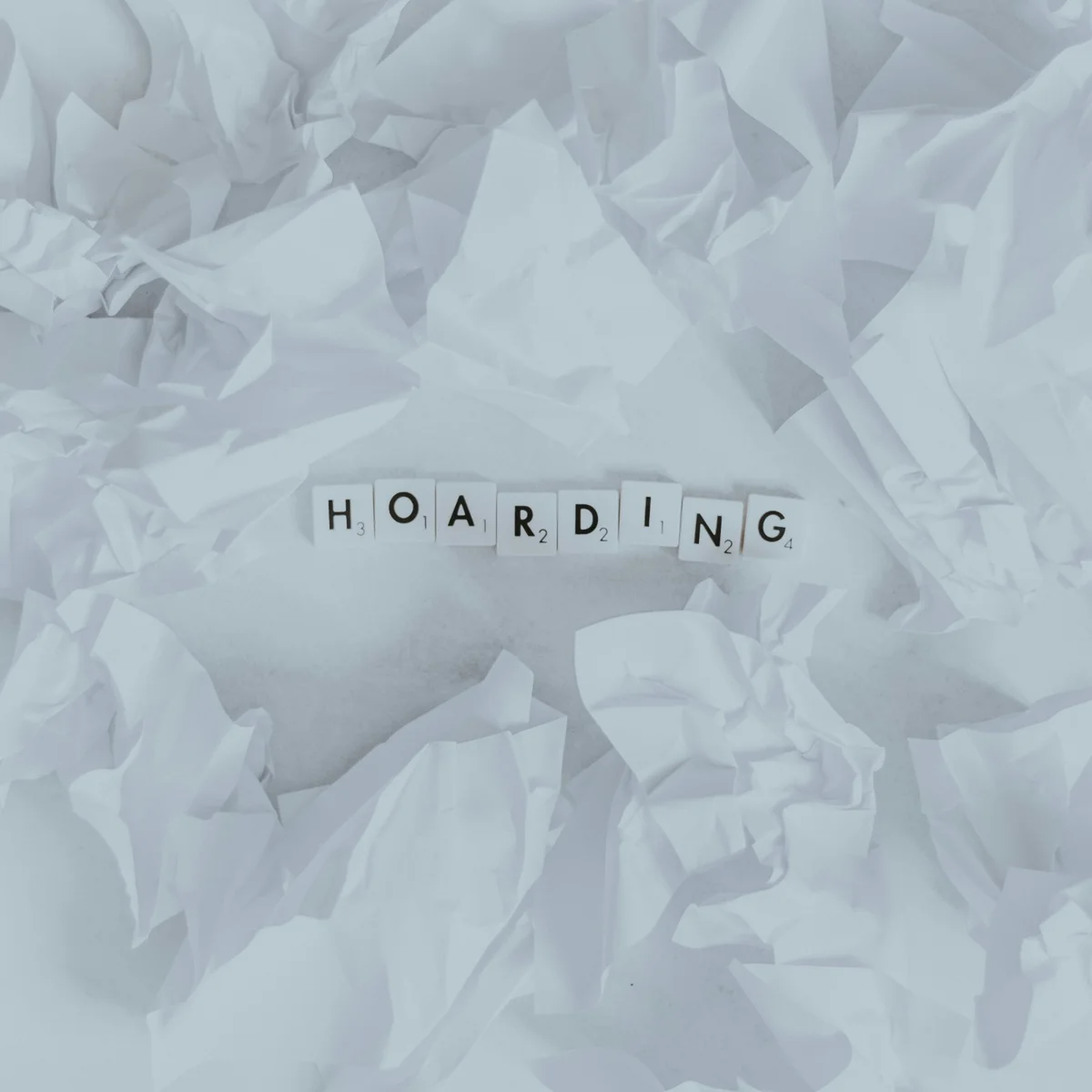
There’s a difference between “I ran out of room” and “I need these piles to stay exactly where they are.” When items are intentionally stacked floor to ceiling, when pathways are deliberately narrow, when the piles themselves feel protective, that could be a sign of hoarding behaviors that benefit from professional mental health support.
Hoarding disorder is a recognized diagnosis, and it responds best when a therapist is leading the emotional work and an organizer supports the physical work. One without the other usually doesn’t stick.
5. Certain Areas or Items Cannot Be Touched
Sometimes a person feels completely on board with decluttering the kitchen but becomes deeply anxious the moment anyone walks near a particular closet, drawer, or room. Sometimes it’s a late spouse’s belongings. Sometimes it’s childhood items. Sometimes the person themselves can’t explain why.
If there’s a line in the home that absolutely cannot be crossed, I respect that one hundred percent. And I also gently suggest that a therapist may be the right person to help explore what’s behind that line, long before we try to organize it.

6. Someone Appears Excessively Disorganized No Matter What They Try
You buy the bins. You download the app. You watch the videos. You hire the organizer. Two weeks later, it looks like nothing changed. If this cycle keeps repeating, it may point to something like ADHD, depression, anxiety, or burnout. None of these are character flaws, and most of them respond to the right kind of help.
I’ll say it again because I think people need to hear it: being disorganized is not a moral failing. It’s information. And information is useful.
How an Organizer and a Therapist Can Work Together
Think of it as two kinds of support, side by side. A therapist works on the thoughts and feelings behind the clutter. I work on the practical side: sorting, systems, donation runs, and creating spaces that function for your real life. When both are in your corner, progress tends to feel steadier, kinder, and more lasting.

The diagnosis itself matters less than making sure the person gets the right kind of help. With your permission, I’m always happy to coordinate directly with your therapist, doctor, or other trusted professionals so you feel supported from every direction.
One more important note: if you or someone you love is in emotional crisis, please reach out to a mental health professional right away, or call or text 988, the Suicide & Crisis Lifeline.
Ready for Support That Meets You Where You Are?
As a professional organizer serving Littleton and the Denver area, I love helping people create homes that feel calm, safe, and workable, without shame and without pressure. Whether you need hands-on help, virtual organizing, or just a caring conversation about your next step, I’m here. Contact me today to schedule a consultation, and let’s figure out what kind of support fits your life best.