Before You Buy: The Questions That Keep Clutter Out for Good
We’ve all been there. It’s 10pm, you’re scrolling on your phone, and Amazon is showing you a silicone garlic peeler you didn’t know existed 30 seconds ago. Suddenly you need it. One tap, and it’s on its way to your porch by tomorrow afternoon.
As a professional organizer in Littleton, I see the downstream effects of those late-night taps often. Drawers stuffed with gadgets used once. Closets bursting with duplicates. Garages that can’t fit a car because the “great deals” piled up faster than anyone could use them. The truth is, the best decluttering strategy isn’t a bigger bin system. It’s not buying the thing in the first place.
Here are the questions I ask myself, and the questions I encourage my clients to ask, before anything new comes through the front door.

Do I Really Need This, or Do I Just Want It Right Now?
There’s nothing wrong with wanting something. But wanting and needing are two very different things, and the algorithm is designed to blur the line. When something catches your eye, pause and ask honestly: is this solving a real problem in my life, or is it solving a problem the ad just invented for me?
My rule of thumb: if I can’t name a specific use I had in mind before I saw the product, that’s a big yellow flag. I probably don’t need it. I just got sold on it.
Do I Already Own One (or Something Close)?
This one gets people every time. So many of my Littleton clients own three vegetable peelers, four black cardigans, and enough throw blankets to open a small hotel. Not because they’re careless, but because it’s genuinely hard to remember what’s tucked in the back of a drawer or the bottom of a bin.
Before you buy, physically go look. Open the drawer. Check the closet. If you already have something that does 80% of what the new thing would do, save your money and your shelf space.
Could I Borrow It Instead?
This is a question we’ve mostly forgotten how to ask. Do you really need to own a pressure washer you’ll use once a year? A specialty cake pan for one birthday? A ladder tall enough to reach the gutters on that one weird spot of the house?
Neighbors, friends, family, and even tool libraries around the Denver area are wonderful resources. I’ve borrowed and lent all kinds of things over the years, and it builds community on top of saving space. Not everything needs a permanent home in your garage.
If I Wait, Will I Still Want It Tomorrow?
This is the single most powerful question on this list. The impulse to buy is loud, but it’s almost always short-lived. Add the item to your cart, close the app, and walk away. Come back in 24 hours. Better yet, come back in a week.
What I’ve noticed in my own house: about 9 times out of 10, I don’t come back to that cart at all. And when I do, I usually realize I only wanted it because I was tired, bored, or stressed. The item wasn’t the answer. A glass of water and going to bed was, lol.
If you still genuinely want it after waiting, and it passes the other questions above, then go for it with confidence. That’s a calculated purchase, not an impulse one.
Make Spending Feel Real Again
Here’s the sneaky part of online shopping: it doesn’t feel like spending. Apple Pay, saved cards, one-click checkout — the whole system is designed to remove friction between wanting and owning. Which is exactly why we end up with so much stuff.
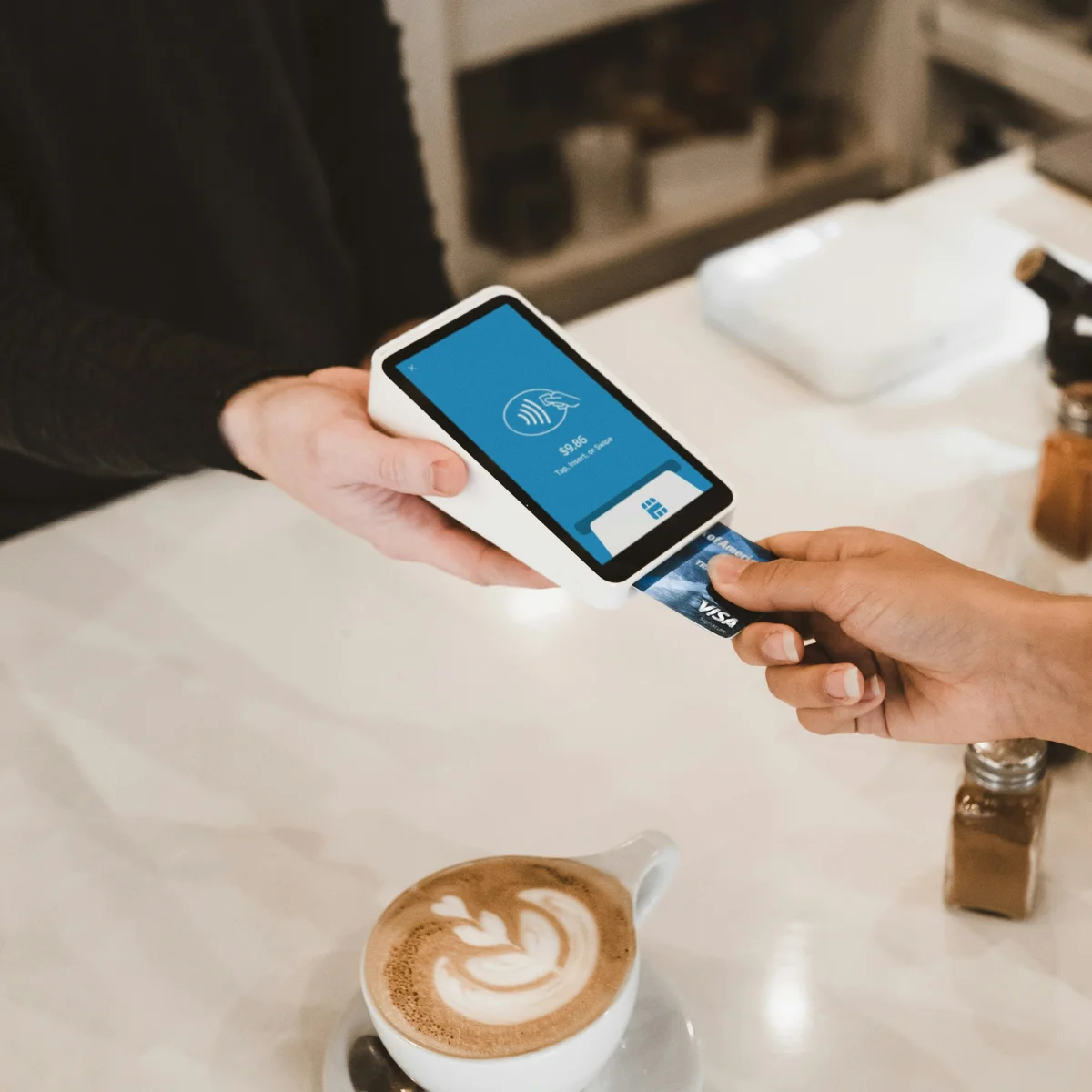
I recommend adding some friction back on purpose:
- Remove your digital wallets. Delete Apple Pay, Google Pay, and saved cards from your favorite shopping sites. Making yourself get up, find your wallet, and type in 16 digits is often enough of a pause to reconsider.
- Use a debit or credit card you have to physically retrieve. Same idea. The extra 30 seconds matters.
- Try cash for discretionary spending. My 99-year-old great uncle still uses cash for almost everything, and let me tell you, that man does not have clutter. When you can see and feel your money leaving your hand, spending becomes concrete instead of abstract. You spend less. You waste less. You bring home less.
A little challenge: for one week, use cash for anything that isn’t a bill or groceries. Notice how differently you feel handing over a $20 versus tapping a phone. It’s eye-opening.
The Real Payoff
Calculated purchasing isn’t about deprivation. It’s about making sure the things that come into your home actually deserve to be there. Every item you don’t buy is one you don’t have to store, clean around, organize, or eventually donate. That’s less money spent, less time managing stuff, and more room in your home for the things you truly love and use.

I’m not finding fault with anyone who’s fallen into the scroll-and-tap habit. It’s engineered to be irresistible. But once you start asking these questions, you’ll be shocked how much you don’t buy, and how much lighter your home starts to feel.
Ready to Stop the Clutter Cycle in Your Home?
If your house is already feeling the effects of years of impulse buys, you don’t have to sort through it alone. As a professional organizer serving Littleton and the Denver area, I love helping clients declutter what they already have and build habits and systems that keep new clutter from creeping back in. Contact me today to schedule a consultation, and let’s create a home that supports the life you actually want to live.