When to Take a Break While Decluttering: Your Mind and Body Will Tell You
Decluttering is almost always the first step in getting organized, and it is harder than people expect. It’s not just physical work. It’s hundreds of small decisions in a row, and sometimes those decisions carry a lot of emotional weight. The sweater from your mom. The cards your kids made in kindergarten. The kitchen gadget you felt guilty about buying but never used.
Here’s part of my Littleton client/organizer discussion when I work with someone: you are allowed to stop. In fact, you should stop, often, before you hit the wall. Pushing through exhaustion is how good items end up in the donate pile by mistake and how sentimental items end up back in the box because you couldn’t face them.
Your mind and body will tell you when it’s time for a break. The trick is learning to listen before you have a meltdown on the basement floor.
Set a Timer and Stop at Least Every Hour
Even if you feel great, stop every hour. Drink some water. Walk around the block. Pet the dog. Sit down for ten minutes with something that isn’t a pile of stuff.
Decision fatigue is real, and it sneaks up on you. One hour in, you’re sorting carefully. Two hours in, you’re staring at a spatula wondering what your life even is. I promise, the project will still be there after your break. Decluttering is a marathon, not a sprint, and the people who finish strong are the ones who pace themselves. If you need a structured approach, my 30-day declutter challenge is built around short, sustainable sessions for exactly this reason.

Watch for the “Throw It All Away” or “Keep It All” Swing
This is one of the biggest red flags I see with clients, and it means you are done for the day.
When you’ve been at it too long, your brain stops making careful choices and swings to one of two extremes:
- “I’m throwing everything away.” You’ve hit the point where every object feels like a burden and you just want it gone. Dangerous, because you’ll regret tossing something important.
- “I’m keeping all of it.” You’re too tired to evaluate anything, so the easier answer is to shove it back in the box. Also dangerous, because now you’ve done the work with nothing to show for it.
If you catch yourself in either mode, step away. Pro Tip: Put a sticky note on the pile that says “come back tomorrow” and walk out of the room. Fresh eyes make better choices. For more on this, I wrote a whole post on how to make decluttering decisions that walks through my framework.
Notice When You’re Just Moving Things Around
Here’s a sneaky sign of decision fatigue: you’re picking items up, moving them from one pile to another, and never actually deciding anything. The sweater goes from the chair to the bed to the floor to the chair. The stack of papers migrates from the desk to the counter and back.
This is your brain telling you it has run out of gas. You’re going through the motions of decluttering without doing the actual work of it. When I see a client start shuffling instead of deciding, I usually suggest we wrap up the session or switch to a totally different, lower-stakes area, like a junk drawer or a bathroom cabinet.
It’s Okay to Get Emotional (And to Talk It Through)
I have seen a lot in this job. Tears, laughter, long silences, big sighs. Decluttering can bring up grief, regret, nostalgia, and sometimes relief that surprises people. None of it is wrong, and none of it is something to be embarrassed about. Professional organizers are not here to judge you for crying over a coffee mug.
If you’re going through a hard season, divorce, downsizing, an empty nest, caring for aging parents, the emotional load is going to be heavier. Give yourself permission to pause and actually feel it. Talking through why something is hard to let go of is often what finally frees you to make a decision. And if the emotional weight feels bigger than a one-afternoon project, here are six signs you might benefit from a therapist alongside a professional organizer. There is zero shame in that.

Honoring Loved Ones Without Keeping Everything
I end up helping many clients in Littleton after they have inherited a parent’s or grandparent’s belongings, and they feel paralyzed. Keeping it all feels like love. Letting go feels like betrayal. Neither is true.
Here are a few questions I ask clients to work through slowly:
- Which 3 to 5 items genuinely tell this person’s story for me?
- Would they want this item used and loved, or boxed in my basement?
- Is there a family member who would treasure this more than I would?
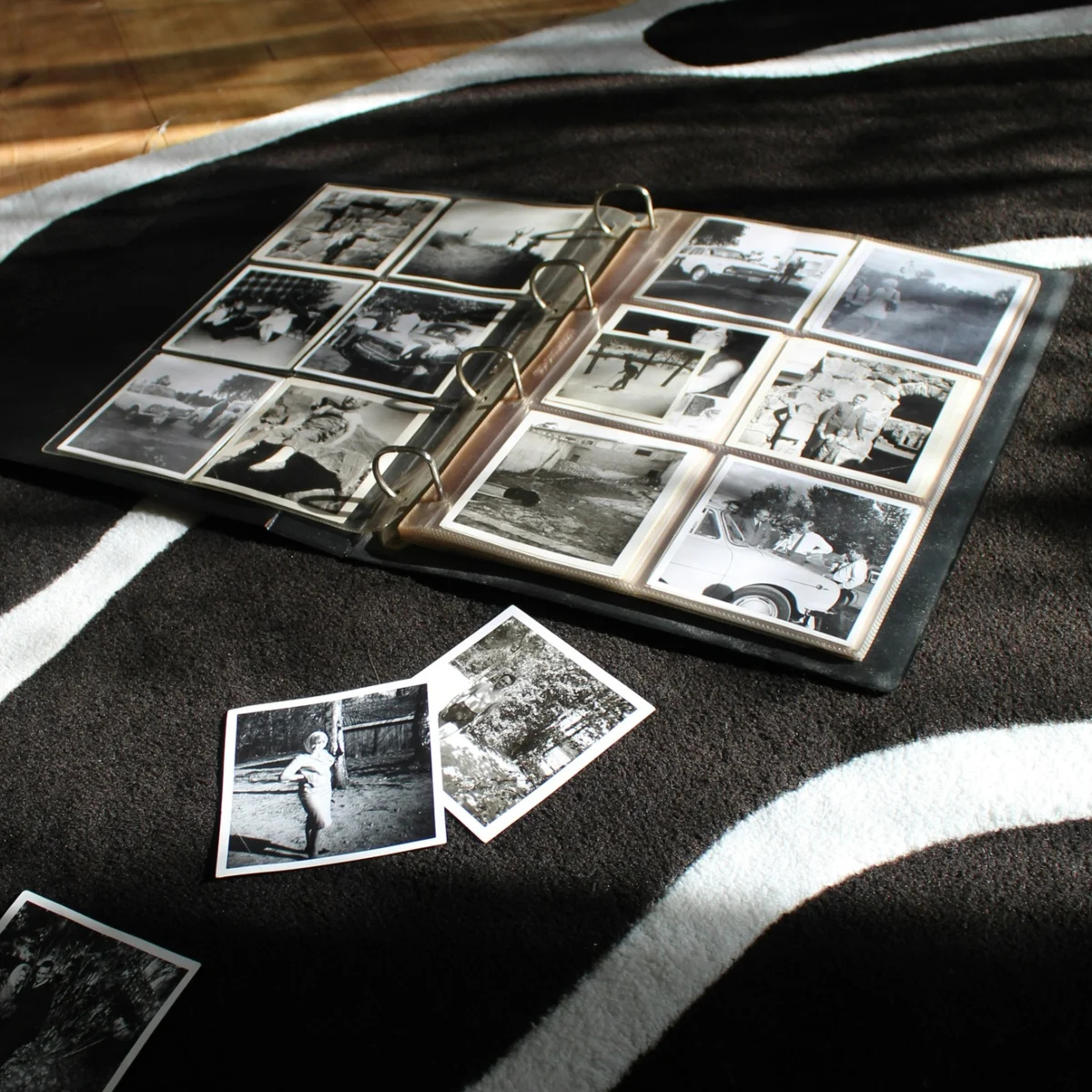
- Could I take a photo and keep the memory without the object?
You can honor someone beautifully with a few meaningful pieces. You do not have to be the museum curator for an entire household. This is heavy work, so plan for it to take multiple sessions, not one marathon weekend.
Know Your Limit and Call It a Day
At some point, you will just know. Your shoulders ache, your focus is gone, you’re hungry and cranky, and the piles are starting to look like abstract art. That is your limit. Honor it.
Before you leave the room, do three small things so tomorrow-you doesn’t walk back into chaos: put the “keep” pile in a safe spot, bag up the obvious donations and move them to the car, and mark where you left off. Then close the door and go do something restorative.
Ready for Decluttering Help That Respects Your Pace?
Taking breaks isn’t quitting. It’s the smartest thing you can do to actually finish the project with your sanity (and your relationships) intact. As a professional organizer serving Littleton and Highlands Ranch area, I work at my clients’ pace, with plenty of breaks, zero judgment, and a lot of patience for the emotional moments. If you’d like a steady partner to help you work through a space without burning out, contact me today to schedule a consultation and we’ll build a plan that fits your life.