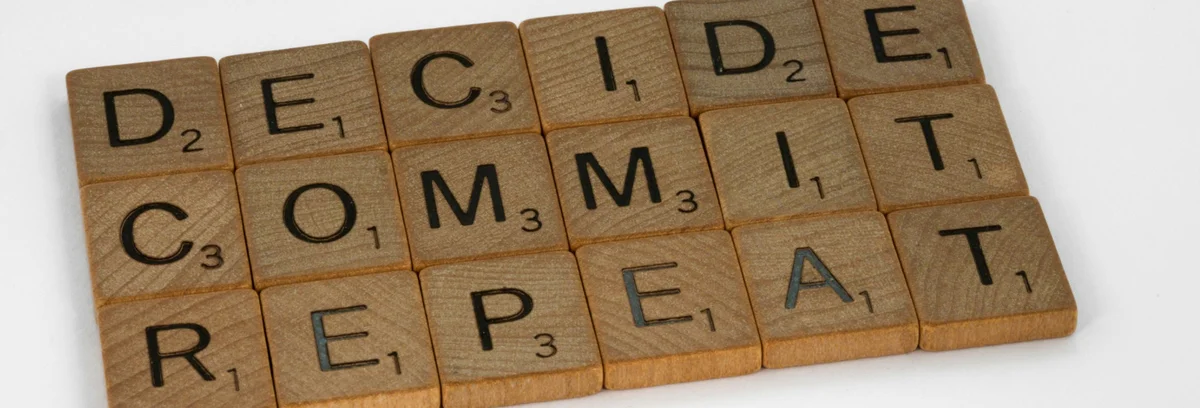
How to make decluttering decisions
Decluttering sounds simple until you’re actually standing in the middle of a room holding a coffee mug your kid made in third grade, wondering if you’re a monster for wanting to donate it. I hear you. The hardest part of organizing isn’t the sorting or the bins or the label maker (although I do love a good label maker). It’s the decision-making. Every single item is a tiny choice, and choices are exhausting.
After working with clients in Littleton and Highlands Ranch, I can tell you that people rarely get stuck because they don’t know how to declutter. They get stuck because they don’t have a framework for making the decisions. They open a closet, feel overwhelmed, and either shove everything back in or panic-donate half of it and regret it later.
So today I want to walk you through how I actually help my clients make decluttering decisions, one item at a time, without burning out or making choices they’ll regret next Tuesday.
Start With What’s Truly Important Right Now
Before you touch a single drawer, ask yourself: what is truly important in my life right now? Not five years ago, not what you think should be important, not what your mother-in-law thinks. Right now.

Maybe your goal is a calmer morning routine. Maybe it’s finally being able to park in the garage. Maybe you’re prepping to sell your house, or you just want your kitchen counter back. Whatever it is, write it down and keep it visible while you work. Every time you pick up an item and can’t decide, ask: “Does this support my goal, or does it get in the way?”
That one question does a lot of heavy lifting. If your goal is a peaceful bedroom and you’re holding onto a treadmill that’s been a laundry rack for two years, the answer becomes pretty clear. This is also why I always tell clients that decluttering and organizing are two different jobs. You have to decide what stays before you can decide where it goes.
Start Easy. I Mean It. Really Easy.
Please, please do not start with your wedding album or the box of your grandmother’s letters. That’s a recipe for tears and quitting.
Start with the boring stuff. Expired pantry items. The junk drawer. The Tupperware cabinet where nothing has a matching lid (nope, that missing lid isn’t coming back, lol). The under-the-sink graveyard of half-empty cleaning products. These are low-stakes decisions, and they train your brain to make choices quickly.
Here’s the order I usually recommend:
- Expired or broken items. Trash. Easy yes.
- Duplicates. Do you need three vegetable peelers? Keep the best one.
- Things you actively dislike. Ugly wedding gifts, uncomfortable shoes, the mug from a company you no longer work for.
- Things you forgot you owned. If you didn’t miss it, you don’t need it.
- Everyday clothing and household items.
- Sentimental items. Save these for last, always.
By the time you get to the harder categories, you’ll have built up your decision-making muscle. Trust me on this one.
Work in Short Increments (Your Brain Will Thank You)
Decision fatigue is real. When we get tired, we swing to one of two extremes: we keep everything (“I can’t decide, so I’ll just put it back”) or we throw out everything (“I don’t care anymore, toss it all”). Both are unhelpful. One leaves you exactly where you started. The other leaves you upset next month because you accidentally donated your favorite sweater.
Work in chunks of 10 minutes to 2 hours, max. Set a timer. When it goes off, stop, even if you’re mid-drawer. Take a break, drink some water, walk the dog. If you have more energy, come back later. If you don’t, that’s fine too. This is exactly why I love the 15-minute approach to a clutter-free home. Small sessions add up shockingly fast, and you never hit that wall where you make decisions you regret.
Save Clothing and Sentimental Items for Last
Clothing is emotional. It’s tied to who we were, who we hope to be, how much we paid, and what we think we should look like. Sentimental items are even harder, because they’re tied to people we love.
When I finally tackled my own sentimental box a few years ago, I ended up throwing out about 7/8 of the cards and letters I had saved. I was tired of storing things I only looked at once every decade. But I could only make those decisions because I’d already warmed up on easier stuff.

My favorite trick for sentimental items: ask yourself if the object itself matters, or if the memory matters. You can keep the memory without keeping the object. Take a photo. Write down the story. Sometimes that’s enough. And if it’s not? Keep the item, guilt-free. Not everything has to go.
Give Yourself Permission to Not Decide (Sometimes)
Here’s something I don’t hear other organizers say enough: it’s okay to put something in a “maybe” pile. Not for everything, but for the truly hard calls.
Put those items in a box, label it with today’s date, and tuck it in a closet. If you haven’t opened the box in 6 months, donate it unopened. You already made the decision. You just needed some space from the item to trust it.
The goal is progress, not perfection. If you want more inspiration, my post on the psychology behind why we can’t let go digs into what’s really going on when a decision feels impossible.

Ready to Tackle Those Decisions Together?
Making decluttering decisions is a skill, and like any skill, it gets easier with practice and easier still with a partner who’s done it a thousand times. As a professional organizer serving Littleton and the Denver area, I love helping clients work through the “keep, donate, toss” questions without the guilt, the shame, or the burnout. If you’re ready to stop staring at the same cluttered closet and actually make some progress, contact me today to schedule a consultation. We’ll take it one drawer, one decision, one small win at a time.