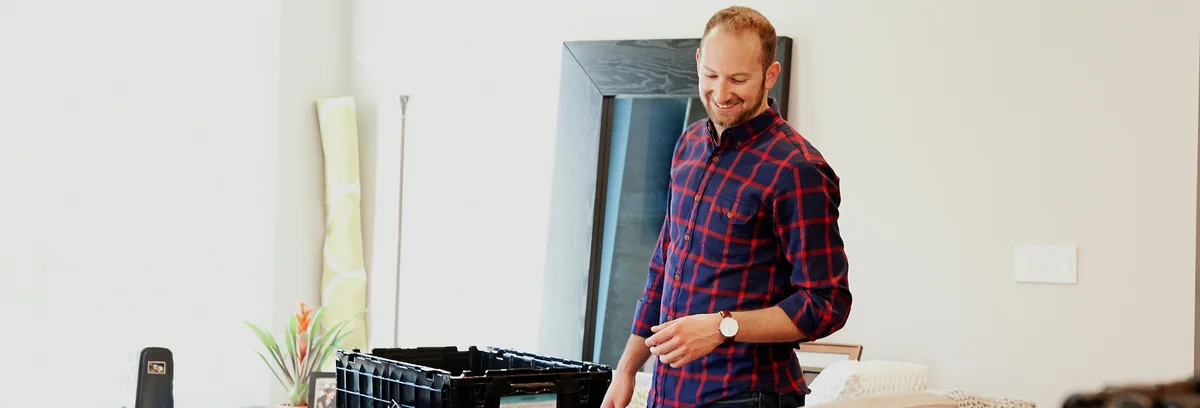
What to do when your partner does Not want to declutter
If you’ve ever stood in your garage in Littleton, holding a broken lamp from 2009, and asked your spouse, “Can we please get rid of this?” only to hear, “No, I might fix it someday,” then welcome. You are in very good company. A common question I get as a professional organizer isn’t about closet systems or pantry bins, it’s: “Patty, how do I get my husband/wife/partner on board?”
The honest answer is that you can’t force someone to declutter. It can definitely backfire. What you can do is build a buy-in strategy, lead by example, and respect your partner’s stuff the same way you’d want yours respected. That’s the whole game.
Let me walk you through what actually works, because I’ve watched a lot of couples in Littleton and Denver navigate this, and the path forward is gentler than you might think.

Start With a Real Conversation, Not an Ultimatum
Before a single drawer gets opened, sit down and talk. Not while you’re irritated. Not while the laundry is exploding out of the hamper. Pick a calm moment, maybe over coffee on a Saturday, and share why decluttering matters to you. Is it stress? Is it the fact that you can’t park in the garage? Is it that you’re thinking about downsizing in five years?
My favorite opener: “I’ve been feeling overwhelmed by how much stuff we have, and I’d love your help figuring out what to do about it.” That’s it. No accusations. No “you never get rid of anything.” Just an invitation.

When my clients frame it this way, partners are usually more receptive than expected. Most people don’t love living in clutter. They just feel attacked when someone starts pointing at their belongings.
Never, Ever Throw Out Their Belongings
I cannot say this loudly enough. Do not toss your partner’s stuff behind their back. Not the t-shirt from their college roommate’s wedding. Not the box of cables in the basement. Not the fishing lures they haven’t touched since 2018. Nope, that’s a trick, lol! It feels efficient. It is not. It is a trust grenade.
I’ve had clients confess to me that they secretly bagged up their husband’s old hobby gear and donated it. Six months later, the resentment was still simmering. Even if your partner never notices the specific item, they will notice the pattern of feeling unsafe in their own home. That’s not the goal here.
If you want a deeper look at why people hang on to things, the psychology behind accumulating clutter is worth a read. It helped a lot of my clients soften their approach.
Lead by Example With Your Own Stuff First
This is the single most effective move I recommend. Start with your closet. Your nightstand. Your side of the garage. Don’t ask your partner to do anything. Just do the work yourself and let them watch.
In my own house, when I tackle a project, my husband eventually wanders over and says, “Hey, that looks great. Maybe I should do my side too.” Not always. But often enough that I keep doing it. Seeing the visible result, a clear surface, a tidy drawer, an organized shelf, sells the idea better than any lecture could.
Pro Tip: Donate or recycle what you remove the same day. If a bag of your stuff sits by the door for three weeks, the whole exercise looks like you just relocated the clutter. Here’s where to donate in and around Littleton so it’s out of the house fast.
Find the Shared-Win Zones
Some areas of the house are emotionally charged. Other areas are pure logistics. Start with the logistics zones, because that’s where you’ll get the easiest “yes.”
- The pantry. Expired food is not a sentimental object.
- The medicine cabinet. Same logic.
- Old cables and electronics. Most partners will agree the tangled drawer is not serving anyone.
- The car. Genuinely neutral territory. Organizing your car is a great low-stakes shared project.
- Duplicates in the kitchen. Nobody needs four spatulas.
Win in these zones first. Build momentum. Build trust. Then, and only then, move toward more personal categories like clothing, collections, and hobby gear.
Respect Their Categories, Even the Weird Ones
Your partner’s collection of vintage concert tees might look like clutter to you. To them, it’s identity. To you, the box of “important paperwork from 1997” looks insane. To them, it’s security.
I’m not finding fault with either of you. We all have categories that matter more than they appear to from the outside. The most important thing you can do is ask, “What’s this one mean to you?” before suggesting it goes. Sometimes the answer is “Oh, nothing, toss it.” Sometimes the answer is a story. Both are useful.
And if your partner has a true collection, I wrote a whole guide on how to declutter collections without losing what matters.
Celebrate Small Wins (Out Loud)
When your partner finally agrees to clear out a single drawer, do not say, “Great, now do the closet.” Say, “Wow, that looks so much better. Thank you.” Then leave them alone for a week.
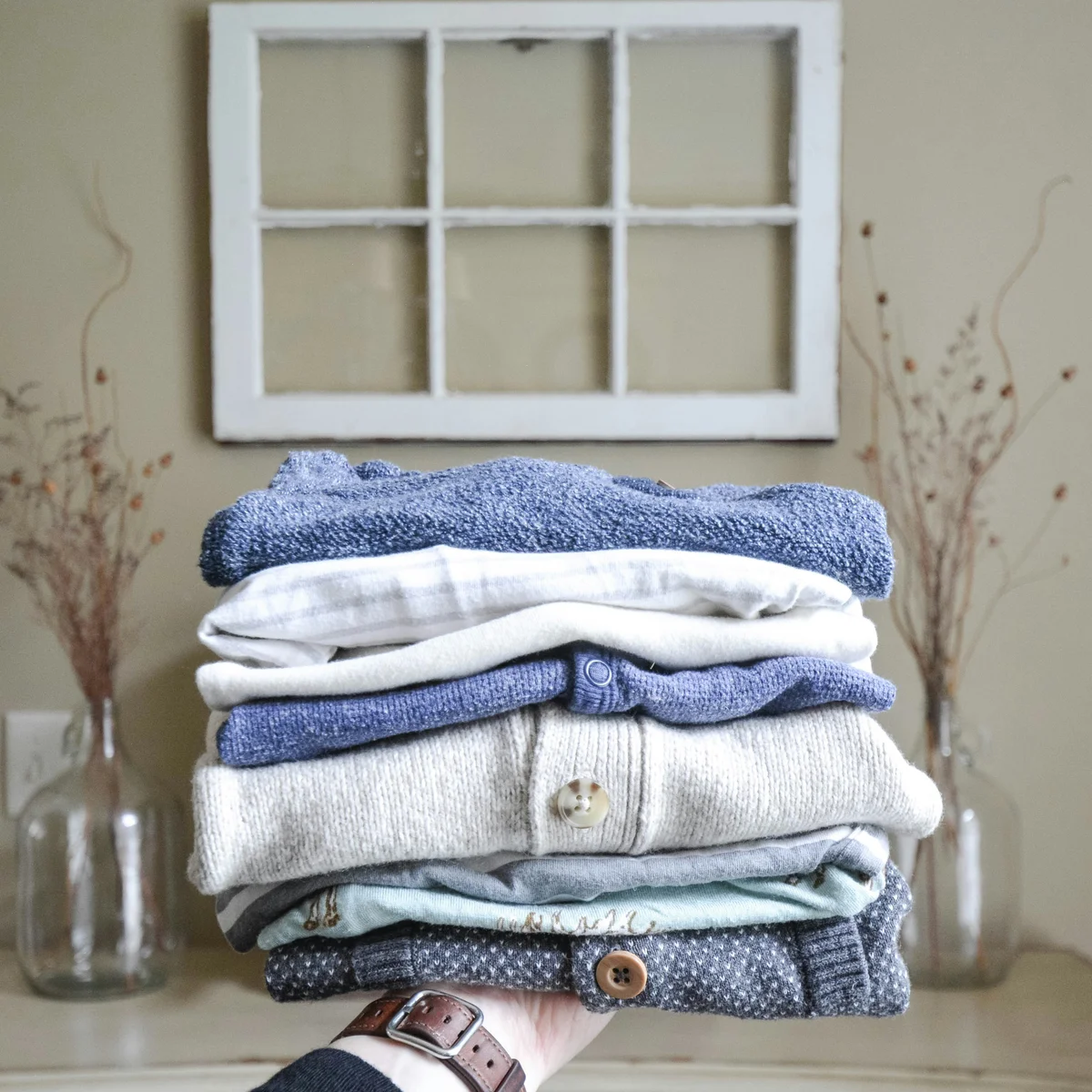
Game changer. Positive reinforcement works on adults the same way it works on dogs and kids. We all want to feel appreciated, not nagged. The couples I see who declutter successfully together are the ones who treat every small step like a real victory, because it is.
Ready to Bring Peace to Your Home in Littleton?
If you and your partner are stuck in the clutter standoff, sometimes a neutral third party is exactly what you need. As a professional organizer serving Littleton and the Denver area, I’ve helped a lot of couples find common ground without anyone feeling steamrolled. I work with both partners at their own pace, and I never, ever throw something out without permission. If you’re ready to talk about what’s possible for your home, contact me today to schedule a consultation. You’re not alone in this, and there’s a calmer house waiting on the other side.