mental healh clutter can equate to visual clutter
Do you ever sit down at your desk, ready to tackle your to-do list, and find yourself just… stuck? You stare at the pile of mail, the half-empty water glass, the three notebooks you “might need,” and suddenly your brain feels as crowded as your workspace. That’s not laziness. That’s visual clutter eating up your mental capacity.
I see this with my clients in Littleton, and I’ll be the first to admit I deal with it in my own house too. As I’m typing this post, my own desk has a stack of business cards, two books, and a sticky note collection that has officially gotten out of hand. The second I finish writing, I’m clearing it off, because I know from experience that a clearer space genuinely makes for a clearer mind.
Why Visual Clutter Drains Your Brain
Every item in your line of sight is a tiny tap on your shoulder. Your brain registers it, processes it, and files away an unspoken to-do: deal with that later. Multiply that by 40 items on a desk, or 60 things on a kitchen counter, and you’ve got a brain that’s exhausted before you’ve even started your day.
The numbers are honestly a little wild. Researchers at Princeton’s Neuroscience Institute found that clutter in your visual field actively competes for your attention, which reduces your ability to focus and process information. A UCLA study of 32 dual-income families found that women who described their homes as “cluttered” had cortisol (stress hormone) levels that stayed elevated all day long, while women who described their homes as “restful” saw cortisol drop normally by evening. And in a survey by the National Association of Productivity and Organizing Professionals, 54% of Americans said they feel overwhelmed by the clutter in their home, but 78% said they have no idea what to do with it.
This is one reason I always tell clients that decluttering is a form of self-care, not just housework. If you want to read more about that connection, I wrote about it in Stress Less: Decluttering as a Form of Self-Care. Your nervous system genuinely calms down when your eyes have less to track.
Clear the Surface, Don’t Just Relocate It
Here’s where a lot of people get tripped up. They “clean” by sweeping everything into a basket, a junk drawer, or a spare bedroom. The surface looks better, but the clutter is still there, and now you can’t find anything.
Real decluttering means making a decision about each item. I use four simple categories:
- Keep. It earns its space because you use it, love it, or genuinely need it. Then it gets a real home, not a pile.
- Donate. If it’s useful but not to you, pass it on. I keep a running list of donation spots around Littleton so my clients never have an excuse to let donation bags sit in the trunk for six months.
- Gift. Sometimes that book, candle, or kitchen gadget is perfect for a specific person. Pass it along with intention.
- Discard. Broken, expired, or genuinely past its life. Let it go.
Give Everything a Home (Or Get Rid of It)
This is the rule that changes everything: if it doesn’t have a home, it becomes clutter. Period.
When I walk into a client’s house and see piles of “I don’t know where this goes” items, that’s almost always the root issue. The stuff isn’t the problem. The lack of a designated spot is the problem.
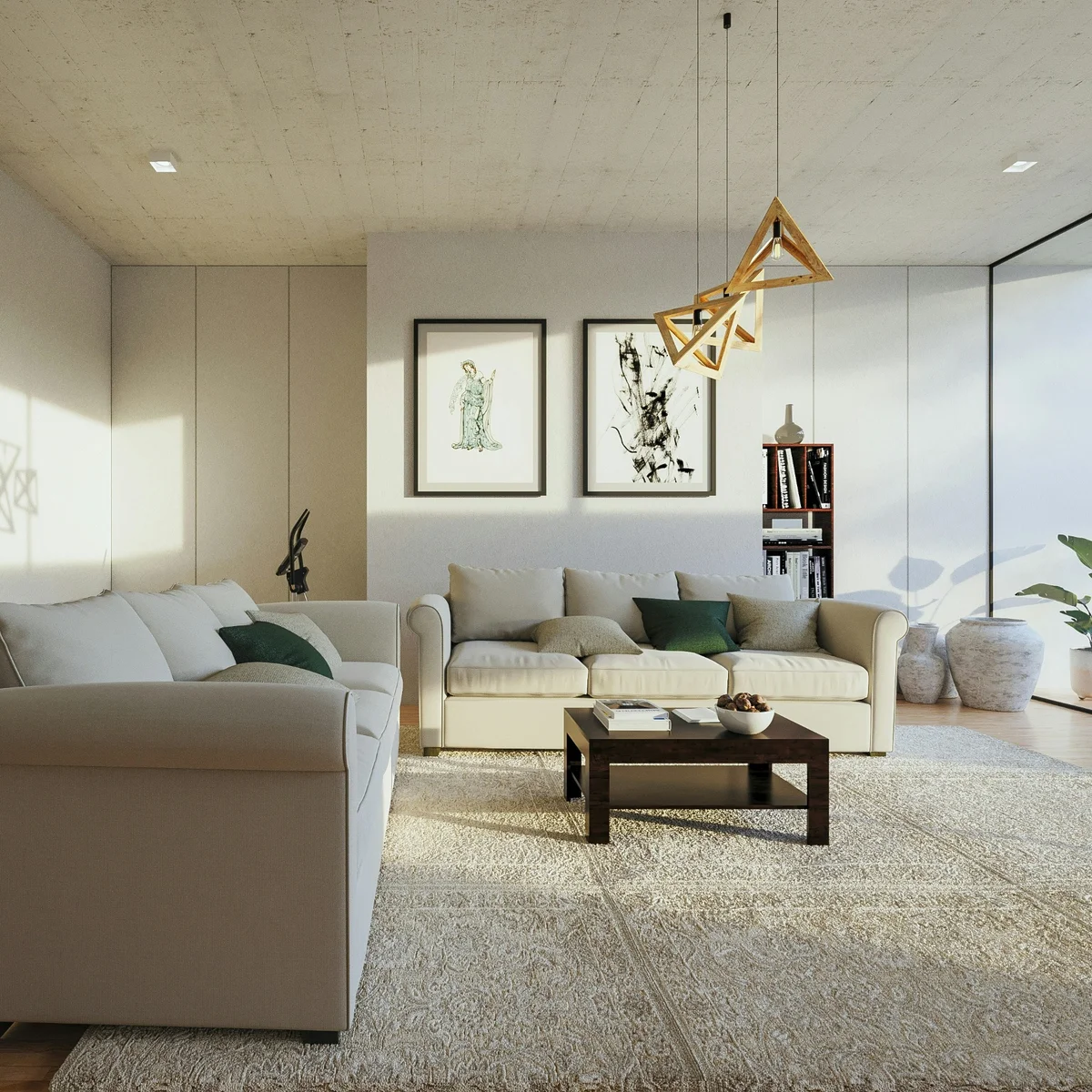
The hidden time cost: the average American spends 2.5 days per year just looking for misplaced items, according to a Pixie study, and the average household has about 300,000 items in it (NPR/LA Times). No wonder we can’t find our keys!
My favorite rule: put things away the first time. It takes about three seconds to hang up a coat when you walk in the door. It takes about thirty seconds (and a lot more annoyance) to pick it up off the chair later, move it to the couch, then finally hang it up. Multiply that across every item in your house, and you can see why disorganized homes feel so exhausting to live in.
If you don’t have homes for your stuff yet, that’s your starting point. My post on container selection walks through how to choose bins, baskets, and drawer dividers that actually make those homes stick.
Start Small: The Desk Test
If a whole-house declutter feels overwhelming, start with one surface. I recommend your desk or kitchen counter, because those are the spots where visual clutter does the most damage to your daily focus.
Set a timer for 15 minutes. (I’m a huge believer in short bursts: see The 15-Minute Secret to a Clutter-Free Home for more on this.) Pick up every item on the surface and ask:
- Do I use this weekly?
- Does it have a home somewhere else?
- Is it actually beautiful or meaningful enough to deserve prime real estate?
If the answer to all three is no, it goes. If it has a home elsewhere, walk it there right now. Don’t make a “put away” pile. Those piles never get put away, and you know it.
Build Systems That Stick
The reason clutter keeps coming back isn’t because you’re a messy person. It’s because your systems haven’t caught up to your real life. If mail piles up on the counter, you need a mail station. If shoes pile up by the door, you need a shoe bin. If paperwork is taking over, it might be time to look at going paperless.
One stat that always sticks with me: research has found that people in cluttered environments were 77% more likely to be overweight or obese, partly because clutter raises stress and disrupts decision-making (including food decisions). Clutter doesn’t just affect your office. It quietly affects your health.
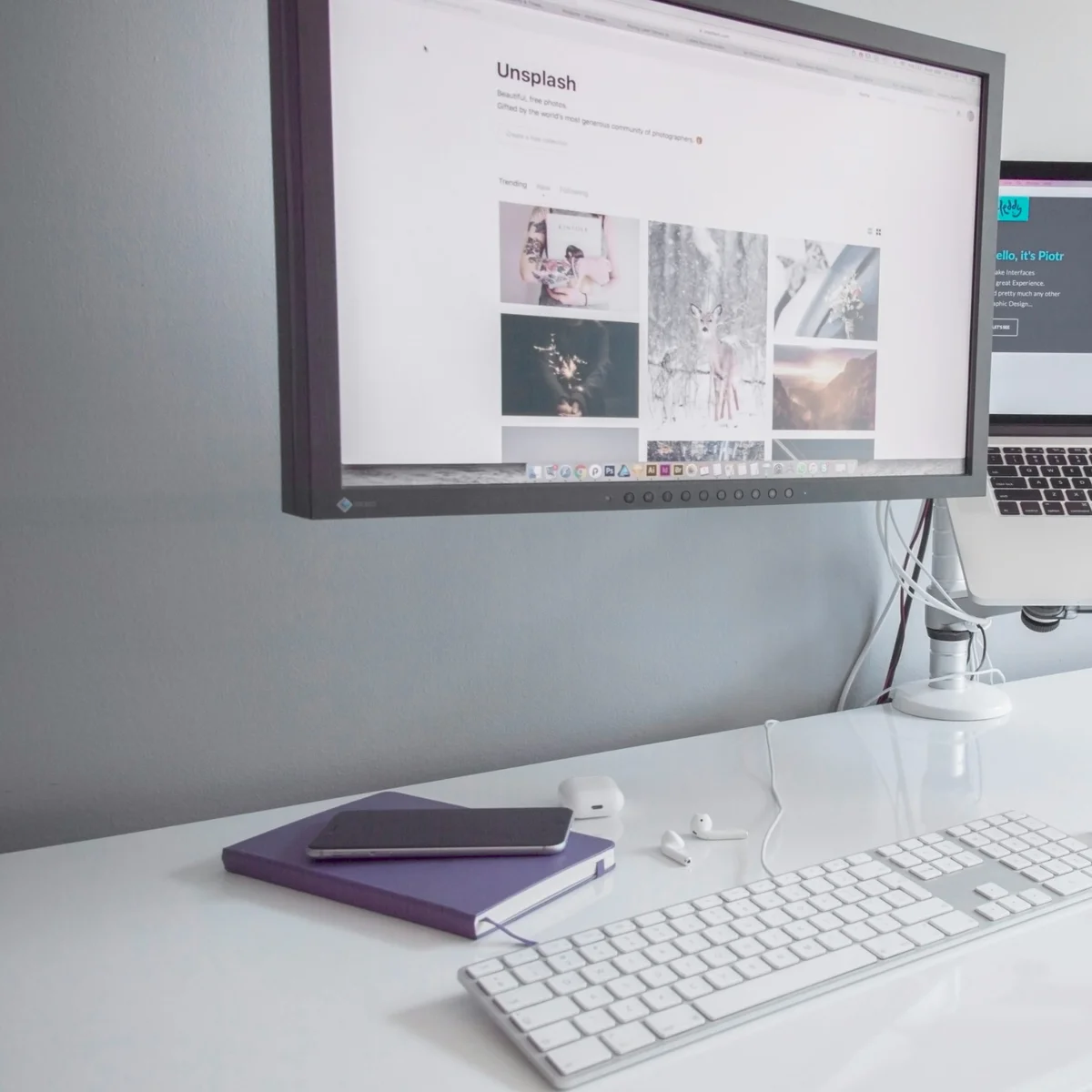
The goal is to make the right action the easiest action. When putting something away takes less effort than dropping it on the nearest surface, your home stays organized almost by accident.
Ready to Clear Your Space and Your Mind?
If your visual clutter is wearing you down and you don’t know where to start, you’re not alone. So many of my clients tell me they feel lighter, calmer, and more focused after even one organizing session, not because their house is magazine-perfect, but because their brain finally gets to rest.
As a professional organizer serving Littleton and the Denver area, I love helping people build systems that actually fit their lives, not someone else’s Pinterest board. If you’re ready to clear the clutter (the visible kind and the mental kind), reach out and let’s set up a consultation. Your desk, and your mind, will thank you.