Junk drawers, habits, and more
Everyone I know has a junk drawer. Batteries, twist ties, a random screwdriver, expired coupons, three pairs of scissors, and at least one key that no longer opens anything. If you opened yours right now, I’d bet you $5 there’s something in there you couldn’t identify. You’re in good company, and I’m not finding fault. I have one too.
But here’s the question I’ve been asking myself lately: why do we wait, waste time, and put things off until later? Why does the mail land on the counter instead of going straight to the recycle bin or the file folder? Why does the drawer fill up in the first place? The answer, I’ve come to believe, has almost nothing to do with organizing skills and everything to do with our habits.
If you’ve ever read Atomic Habits by James Clear, you know the premise: tiny changes, repeated consistently, compound into big results. Decluttering is the same. The one-minute decision you make when you walk in the door is the difference between a tidy entryway and a junk drawer that eventually becomes a junk countertop, a junk chair, and a junk room.
Why We Have Junk Drawers in the First Place
Junk drawers are the physical evidence of a decision we chose not to make. Every item in there is something we didn’t want to deal with in the moment. It’s easier to open a drawer and toss the flashlight, the paperclip, and the mystery cable inside than it is to ask, “Where does this actually belong?”
Multiply that by 365 days a year and, well, you get a drawer that won’t close.
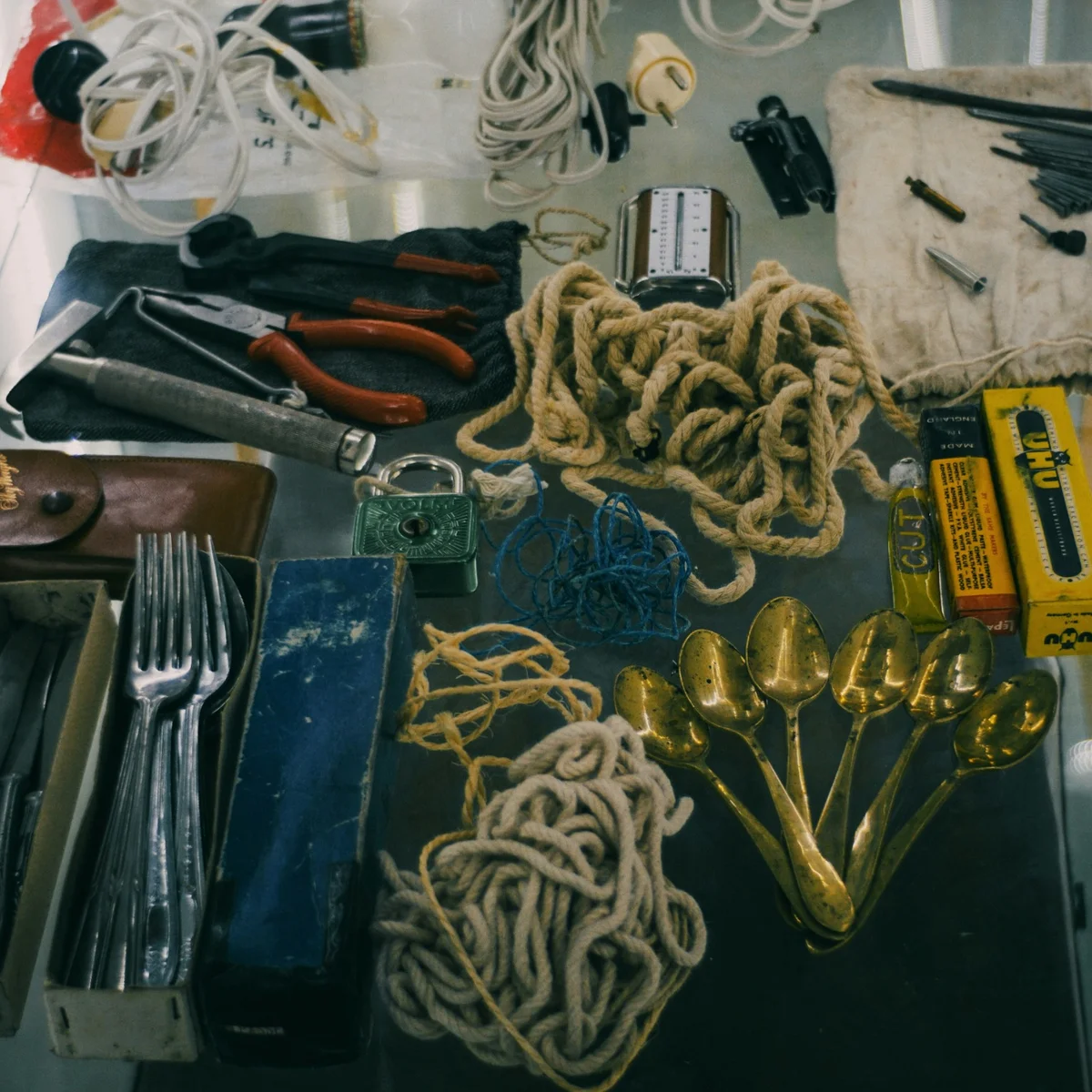
I see this constantly with my clients in and around Littleton. It’s not that they’re messy or careless. They’re busy. They come home tired, arms full, kids yelling, dogs barking, and the path of least resistance is a drawer. Totally human. The problem is that the drawer never asks anything of us, so we never build the habit of putting things where they belong.
The Atomic Habits Connection
James Clear’s big idea is that habits are built on a loop: cue, craving, response, reward. When we walk in the door with a handful of stuff, the cue is the doorway, the craving is to be done with our hands full, the response is dumping everything on the counter, and the reward is instant relief.
To change the habit, you have to change the response, not the cue. You can’t stop coming home. But you can stop making the counter the finish line.
My favorite atomic habit for organizing: the two-minute rule. If putting something away takes less than two minutes, do it now. Not later. Not after dinner. Now. Later is where junk drawers are born.

My Own Confession
I’ll be honest with you. I have a hard time immediately putting items away after I get home. I know, I know, professional organizer says what? But it’s true. I come in from the grocery store, from a client’s house, from walking the dogs, and my instinct is to set things down and deal with them “in a minute.” That minute has a way of turning into three days.
But I’m getting better. I’ve started giving myself a rule: before I sit down, everything I brought in has to land where it lives. Shoes on the rack. Keys on the hook. Mail sorted at the counter into “recycle” or “act on.” Groceries put away, not stacked on the island. It takes maybe five extra minutes, and my kitchen doesn’t look like a landing strip by Thursday. Game changer.
If I can change this habit at my age, after many years of doing it the other way, you can too.
Small Habits That Prevent Junk Piles
Here are the habits I recommend to my clients when we’re trying to keep a space organized after we’ve decluttered it:
-
The 10-second rule at the front door. Before you set anything down, ask, “Where does this go?” If the answer is “I don’t know,” that’s your clue the item doesn’t have a home yet, and it needs one.
-
One-in, one-out. New pair of black leggings? An old pair leaves. It sounds strict, but it keeps drawers from silently multiplying their contents.
-
The Sunday 15. Fifteen minutes on Sunday to reset one small space. Not the whole house. One drawer, one shelf, one corner of the counter.
-
Mail gets touched once. Open it, decide, act. Recycle, file, or handle. Do not set it down “for later.” Later is a trick, lol.
-
A ten-minute nightly pickup. Before bed, walk through the main rooms and put things back where they belong. It’s amazing what five minutes will do.
Why Habits Matter More Than Systems
Here’s the truth I’ve learned from years of organizing homes. Anyone can declutter a drawer for a weekend. The hard part, the part that actually changes your life, is keeping it that way. And that only happens through habits.
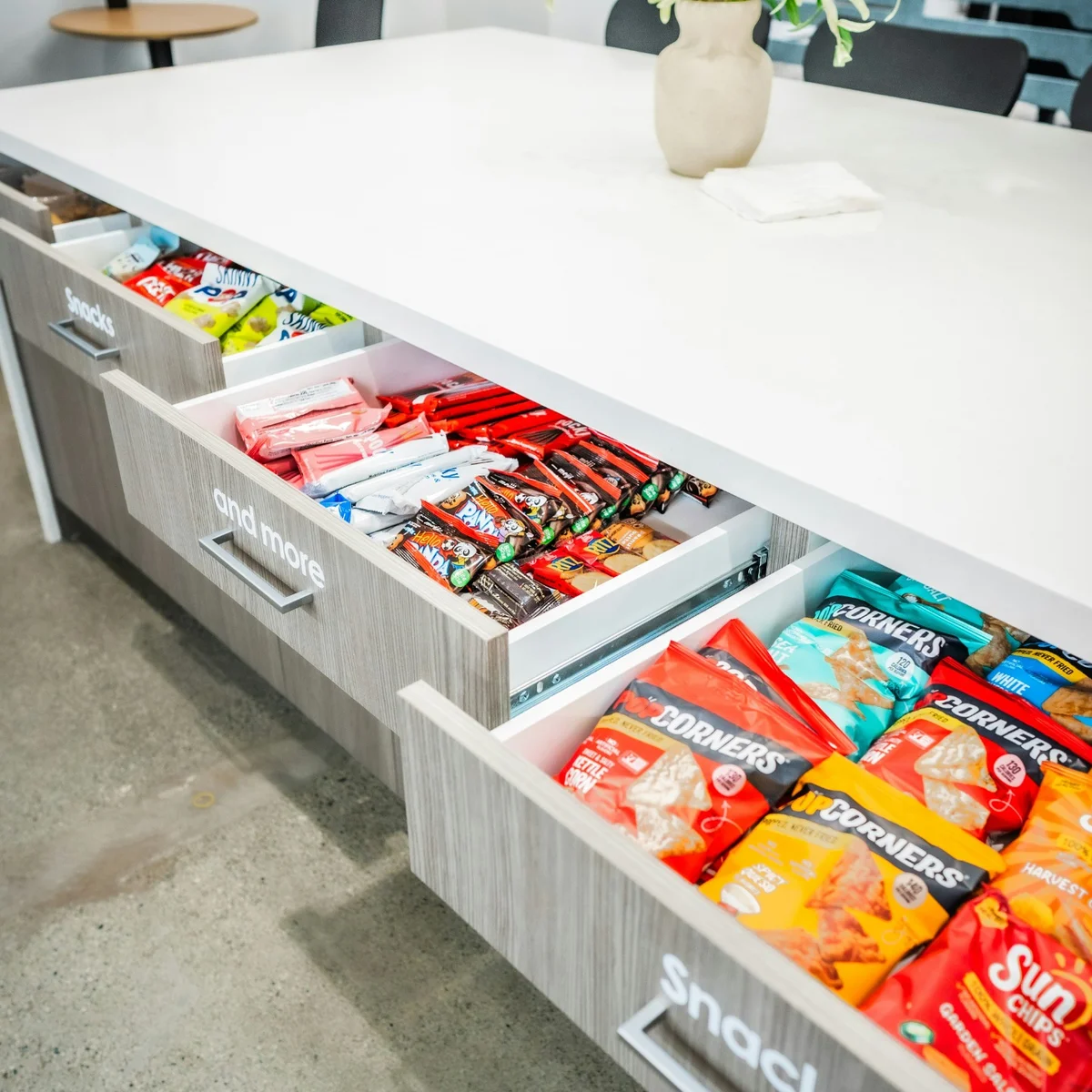
A gorgeous, labeled, color-coded pantry means nothing if you don’t have the habit of putting the crackers back in the cracker bin. A tidy entryway falls apart in a week if you don’t hang the keys on the hook. Systems are the skeleton. Habits are the muscle that makes them move.
Ready to Build Habits That Stick?
If your junk drawers have taken over, or if you’ve decluttered before only to watch the clutter creep back, I’d love to help. As a professional organizer serving Littleton and the Denver area, I don’t just help you clean out a space. I help you build the small, repeatable habits that keep it organized long after I’ve left. Contact me today to schedule a consultation, and let’s turn your junk drawer back into a regular drawer.